A Rich Legacy
Exploring Our Historic Journey
Welcome to our history page, where we delve into the significant moments that shaped the Castle and the commitment to fostering youth dialogue and promoting peace has its roots in a rich tradition of cultural exchange and civic engagement.
The Legacy
Timeline of Key Historical Events
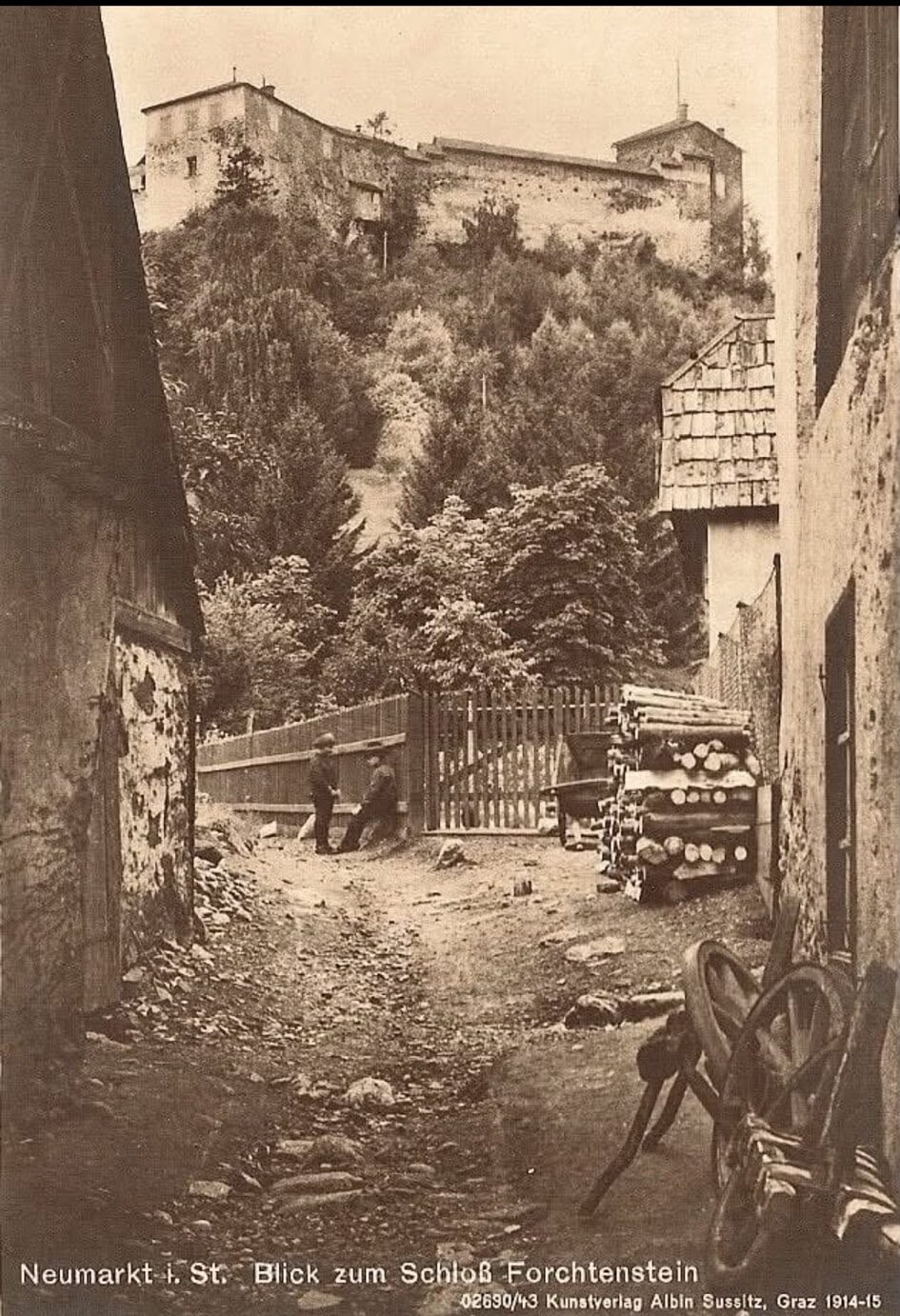
In the mid-12th century, the hilltop castle of Graslupp/Forchtenstein was built by the Archbishop of Salzburg and later granted as a fief to the sovereign. Until the end of the 15th century, Graslupp Castle and Neumarkt remained an archiepiscopal fief; in 1458, they became the property of the sovereign. During the 15th century, the castle became known as Forchtenberg or Forchtenstein.
Between 1480 and 1486, the castle was occupied by the Hungarians, and it was severely damaged during its recapture. From 1588 to 1544, the castle was repaired under the management of Christoph Praunfalkh, who held it as a pledge and served as castle administrator. Under various pledge holders, the castle gradually fell into ruin between 1588 and 1830. Around 1880, the castle was converted into a residential palace. Further renovations followed, and in 1957, Forchtenstein Castle, the first Austrian European House, named after its founder Karl Brunner, was opened.
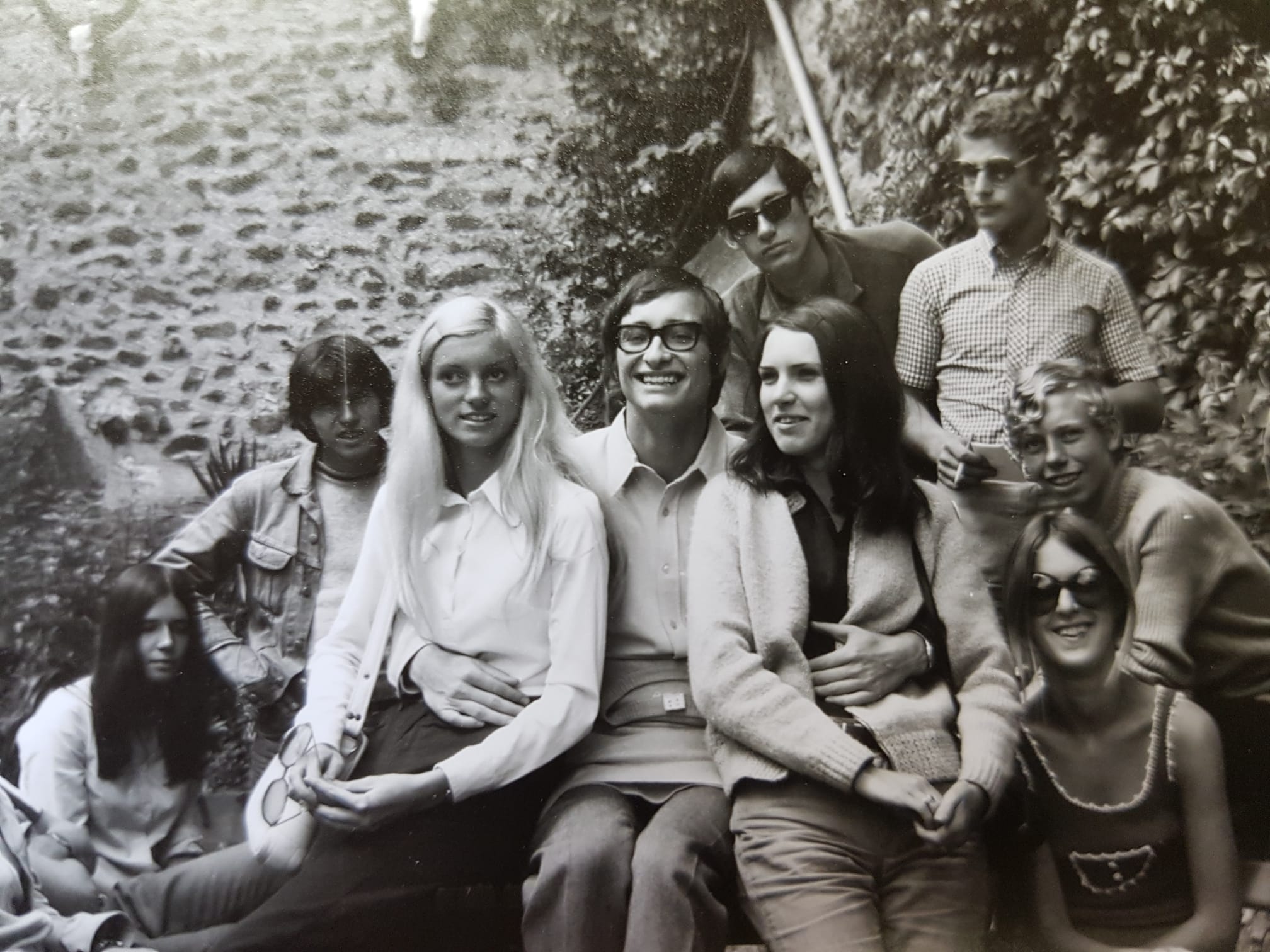
The first project was in 1956, the European Castle took in 120 Hungarian refugeess, after the Hungarian Uprising.
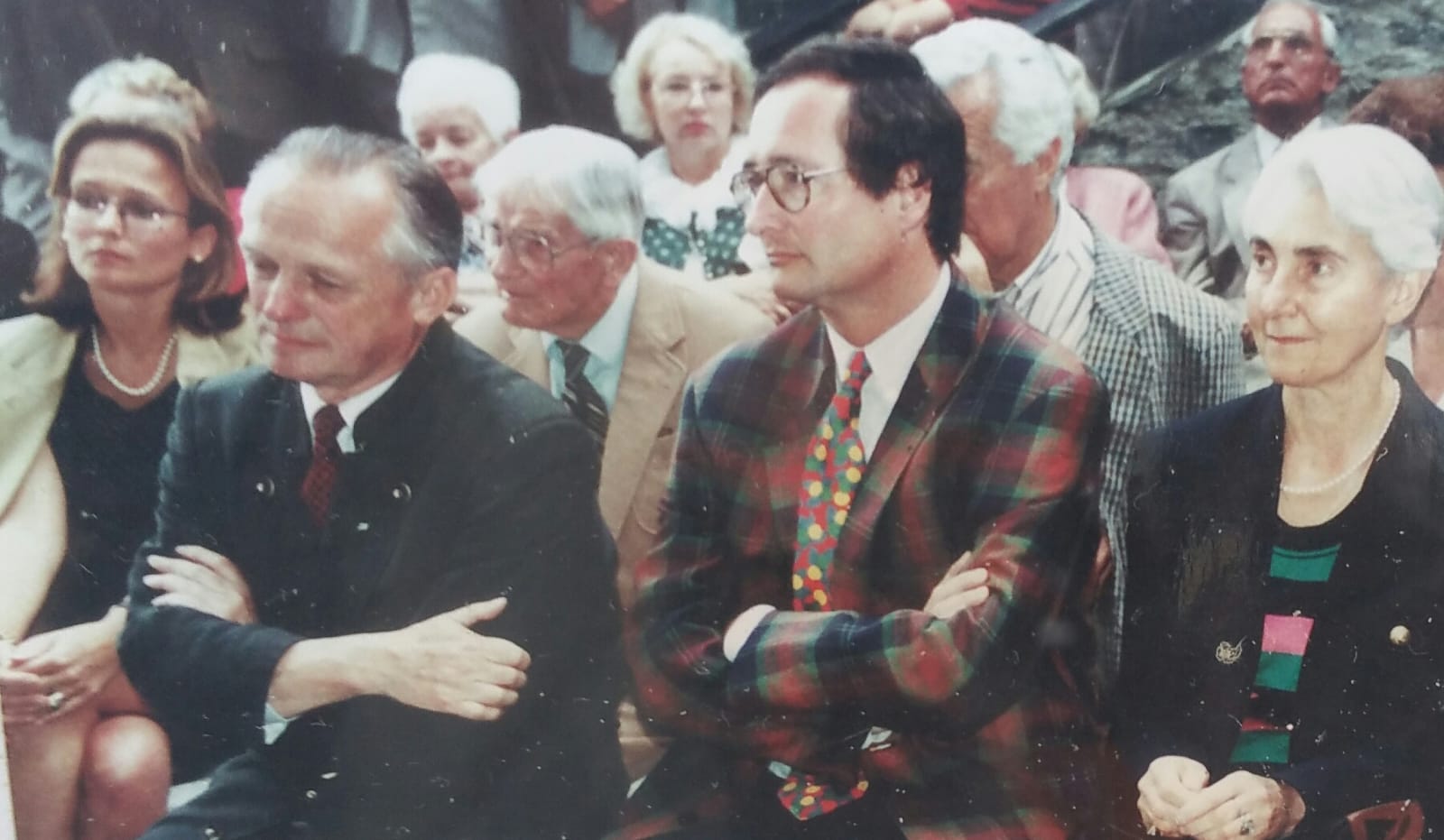
In 1975, the European Federalist Movement (EFB), Styrian branch, entered into a purchase and annuity agreement with the then-owner, Felicitas Bittner-Wallaschek. Upon her death in 1994, the EFB acquired the castle in its entirety, renovated it, and used it until 2017 for numerous events such as European forums, international youth meetings, and minority seminars, establishing the Karl Brunner European House as an educational and meeting center. The European Federalist Movement Austria organizes their „Europa Forum“ here since 1981.
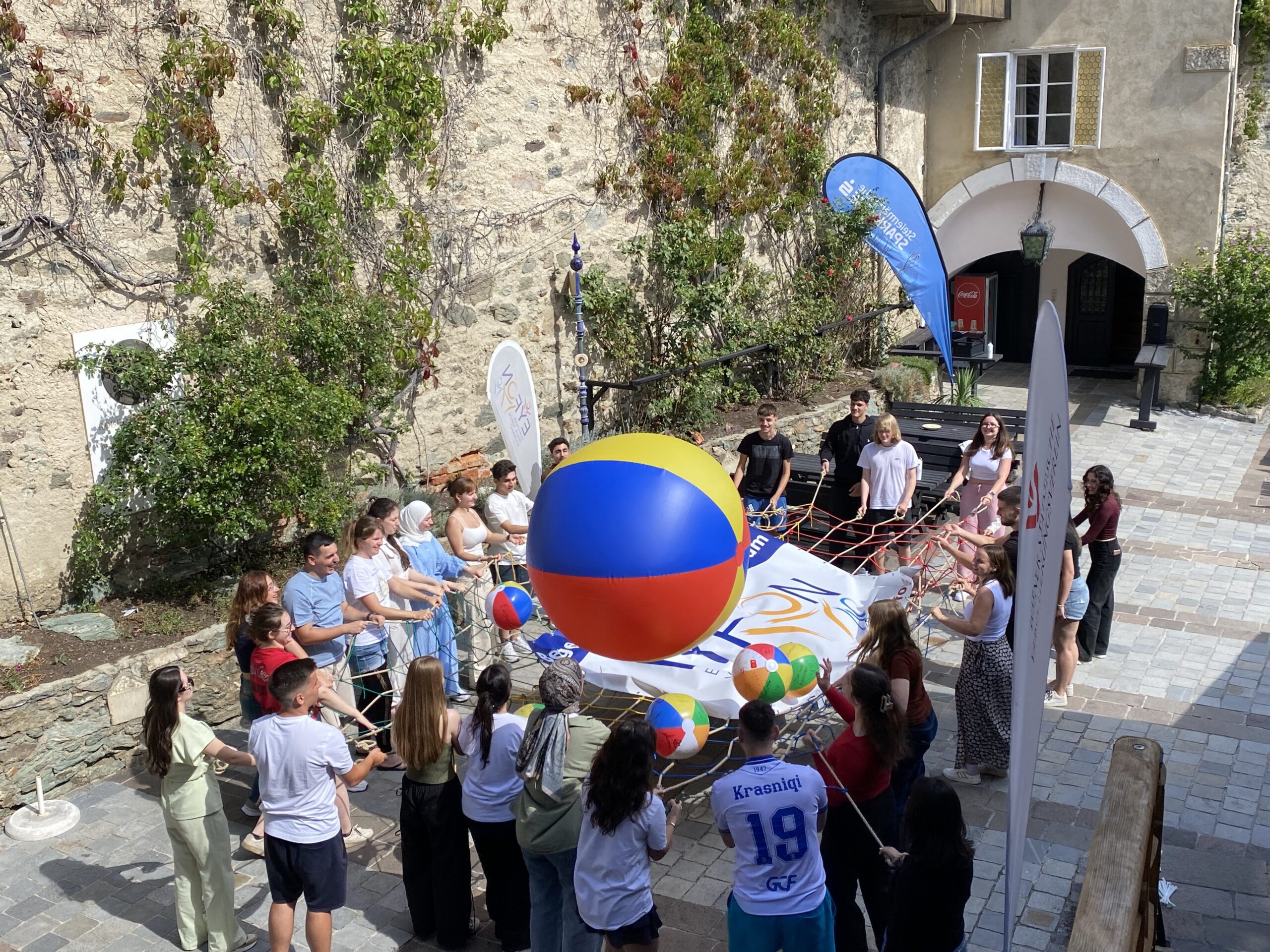
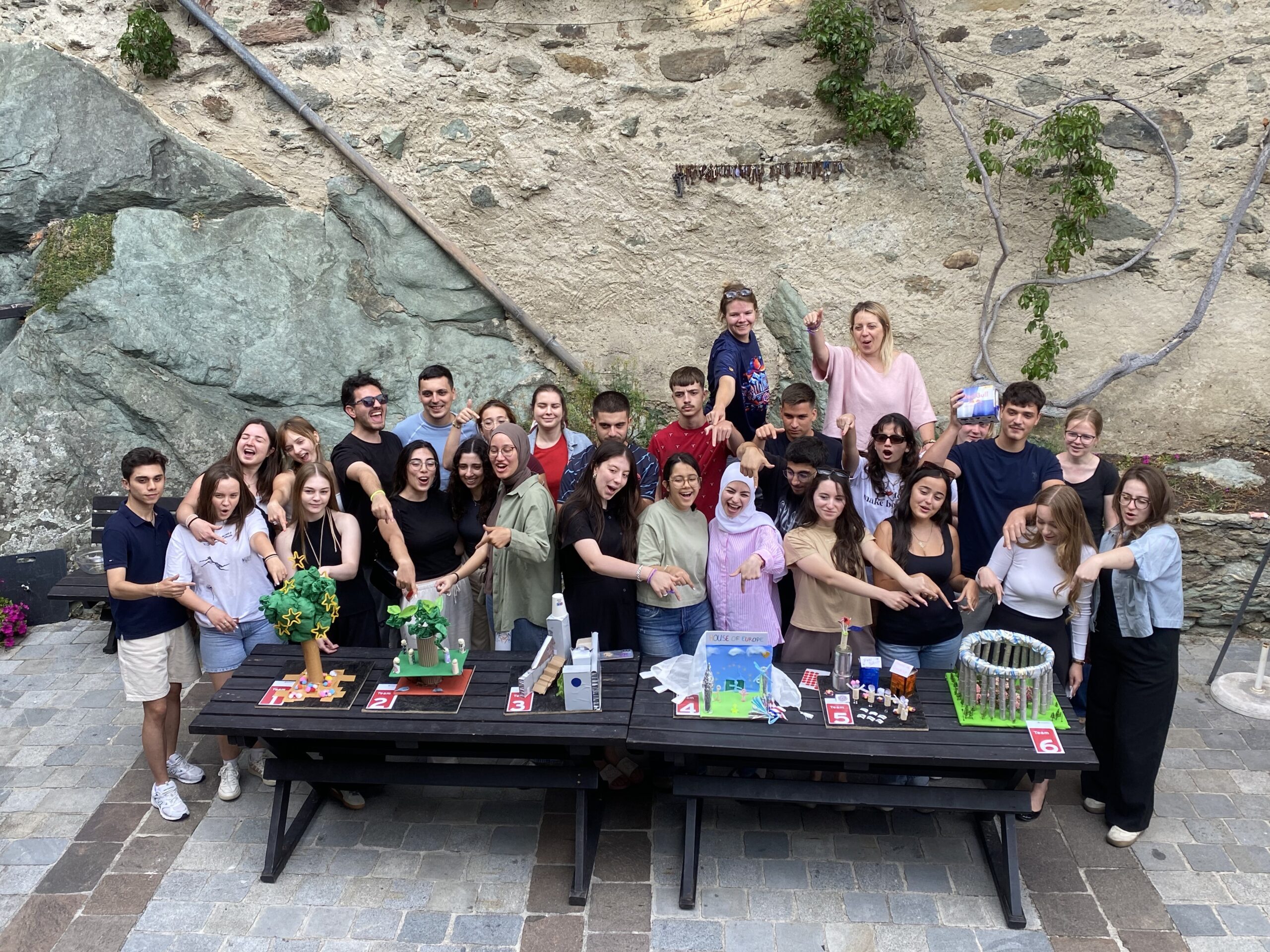
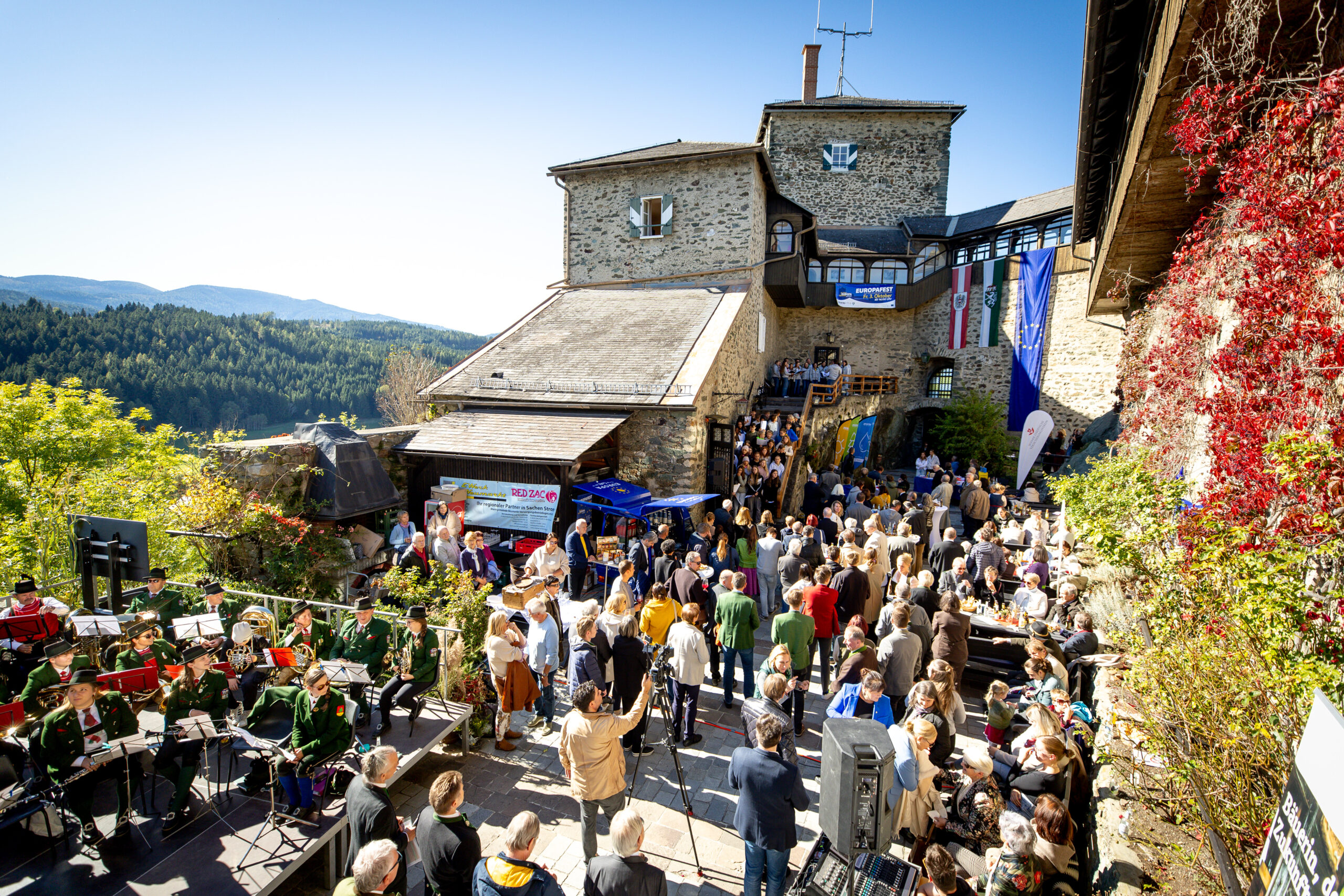
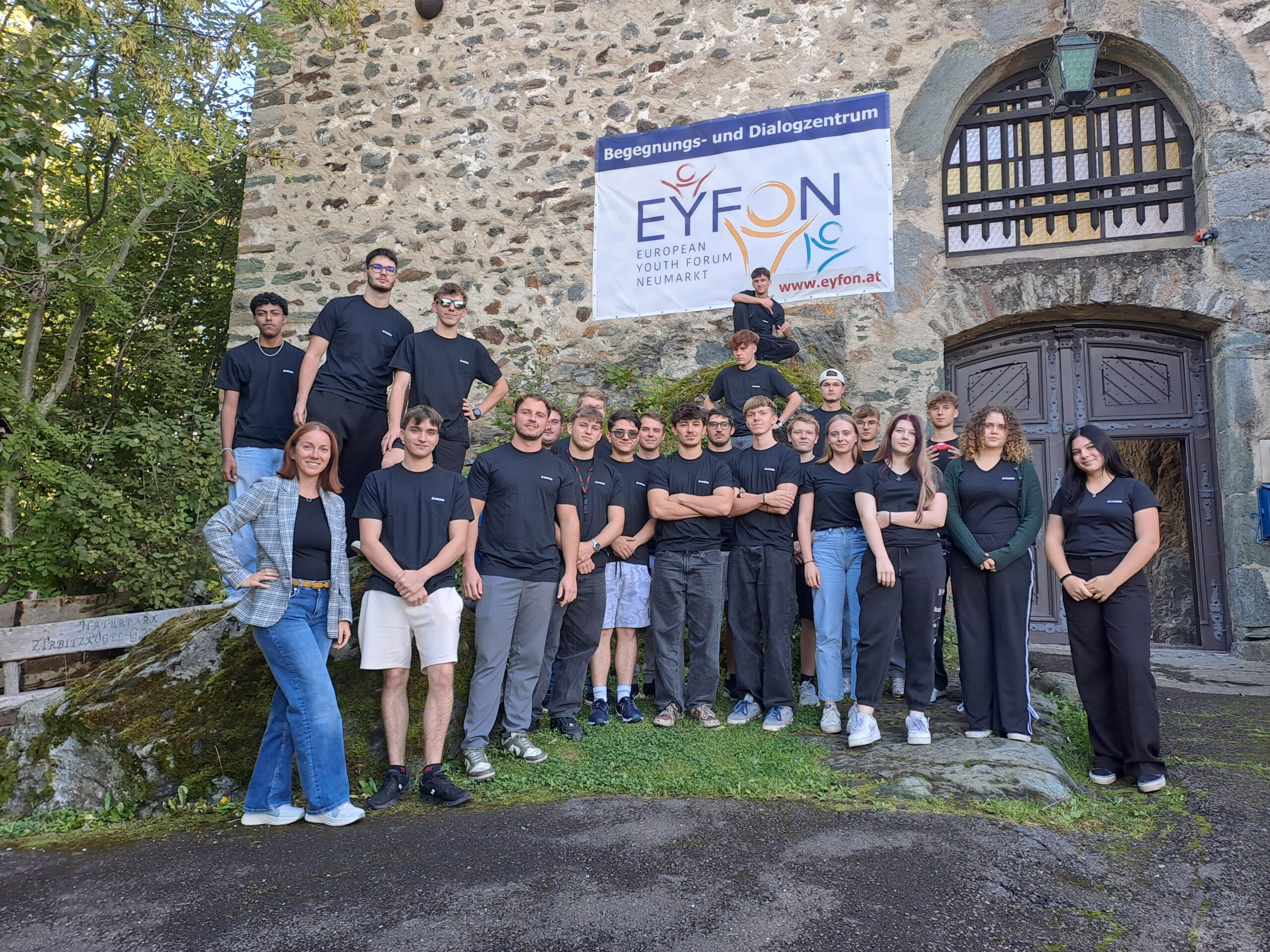
On March 9, 2018, Forchtenstein Castle was transferred to a non-profit foundation initiated and co-financed by Christoph Leitl and has since been known as Europaburg Forchtenstein (Forchtenstein European Castle). In the castle’s long history, the EYFON Foundation is the 30th owner. On May 3, 2018, the European Youth Forum Neumarkt, or EYFON for short, was launched, aiming to establish the Europaburg as an international dialogue and meeting center for young people from all over Europe. Since its opening, the Europaburg has been used for numerous events, both organized by the forum itself and by external partners.
1957
The Castle becomes an "Europe House" and hosts its first international sessions.
1975
European Federalist Movement Styria enterd the Castle with an Agreement
1994
European Federalist Styria took over the Castle
May 3, 2018
EYFON was launched and took over the Castle
"Who forgets his past and where you come from, will be lost in the Future."
Mag. Christian Buchmann, CEO Eyfon

Visit the Castle for an Unforgettable Experience
Join us to explore the rich history and cultural significance of the castle, where tradition meets innovation.